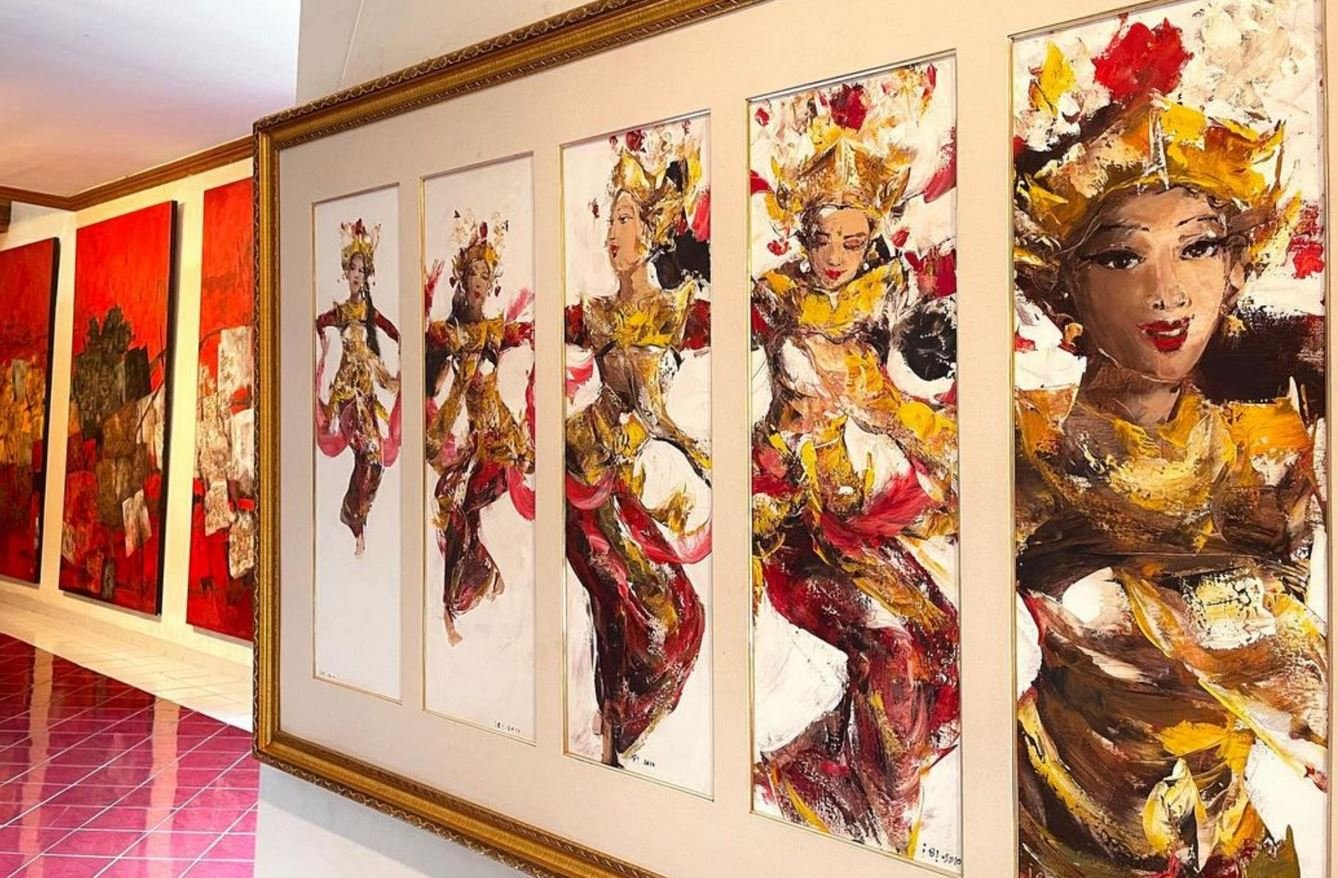
Bali is not only famous for its pristine beaches, vibrant culture, and stunning landscapes but also for its rich and dynamic art scene. From ancient traditional crafts to contemporary visual arts, Bali has nurtured creativity for centuries. Whether you’re an art lover, a curious traveler, or a cultural explorer, the island’s art museums and creative spaces offer a fascinating glimpse into Bali’s soul.
In this article, we will embark on a colorful journey through Bali’s best art museums and creative spaces. Each destination holds a unique story and artistic spirit, making them must-visit spots for anyone passionate about art and culture.
🌿 The Artistic Essence of Bali: More Than Just a Tourist Destination
Bali’s artistic heritage is deeply intertwined with its spiritual and cultural traditions. The island’s art is not merely for aesthetic enjoyment but serves as a living expression of Balinese identity, religious beliefs, and daily life. From intricate wood carvings and traditional dance costumes to modern paintings and innovative sculptures, Bali’s creativity manifests in countless forms.
Many of Bali’s villages specialize in particular crafts, such as Ubud for painting and dance, Celuk for silver jewelry, and Mas for wood carving. However, the art museums and creative spaces in Bali bring these diverse expressions under one roof or area, providing both education and inspiration for visitors.
🖼️ 1. Agung Rai Museum of Art (ARMA)
Located in Ubud, the Agung Rai Museum of Art (ARMA) is a cornerstone of Bali’s art scene. Founded by Agung Rai, a passionate art collector and patron, this museum showcases a stunning collection of traditional and contemporary Balinese art.
Highlights:
- A diverse collection featuring classical Balinese paintings, modern Indonesian art, and works by foreign artists inspired by Bali.
- Beautifully landscaped gardens that create a tranquil environment for art appreciation.
- Workshops and cultural performances that enrich the visitor experience.
ARMA is not just a museum but a cultural hub that promotes Balinese arts through education and community engagement. If you want to understand Bali’s artistic evolution, ARMA is a perfect starting point.
🏛️ 2. Neka Art Museum
Founded by Suteja Neka, an art enthusiast from Ubud, the Neka Art Museum offers an extensive display of Balinese and Indonesian art. The museum’s architecture itself is an art form, blending Balinese traditional design with modern touches.
Highlights:
- More than 1,000 works, including classical Balinese paintings, contemporary pieces, and international art influenced by Bali.
- The museum chronicles the development of Balinese art from the 1930s to the present day.
- Regular exhibitions and art workshops for visitors of all ages.
The Neka Art Museum gives visitors a comprehensive overview of Bali’s art history, making it a must-see for art scholars and casual enthusiasts alike.
🏡 3. Blanco Renaissance Museum
The Blanco Renaissance Museum is a tribute to the life and work of Don Antonio Blanco, a flamboyant Spanish-American artist who made Bali his home. Located on a hill in Ubud, the museum offers panoramic views and a unique collection of Blanco’s provocative and passionate artworks.
Highlights:
- Original paintings and sketches by Don Antonio Blanco, characterized by bold colors and sensual themes.
- The artist’s former residence, preserved as part of the museum experience.
- Insight into the blend of Western and Balinese artistic influences.
The museum is ideal for those who appreciate art with a personal story and an exotic flair.
🌸 4. Museum Puri Lukisan
Established in 1954, Museum Puri Lukisan is Bali’s oldest art museum and an institution dedicated to preserving traditional Balinese art. Situated in Ubud’s cultural center, it focuses on classical Balinese paintings and wood carvings.
Highlights:
- Extensive collections of traditional paintings from the Ubud region and beyond.
- Works that depict Balinese mythology, daily life, and religious ceremonies.
- Regular cultural events, including dance performances and artist talks.
Puri Lukisan is a window into Bali’s artistic origins and is perfect for visitors wanting to explore the roots of Balinese visual storytelling.
🏺 5. ARMA Creative Space & Art Workshops
Beyond just museums, ARMA also offers interactive creative spaces and workshops. These hands-on experiences allow visitors to engage directly with Bali’s artistic traditions, from batik making to traditional painting.
Highlights:
- Classes in traditional Balinese painting techniques.
- Workshops in wood carving, silver jewelry making, and even Balinese dance.
- Opportunities to learn from local artisans and artists.
Creative spaces like ARMA’s workshop not only foster appreciation but also help keep Bali’s art forms alive and evolving.
🎭 6. The Yoga Barn – A Creative Community Space
While primarily known as a wellness center, The Yoga Barn in Ubud also serves as a vibrant creative space hosting art exhibitions, music performances, and craft markets. It’s a melting pot of creativity and spirituality.
Highlights:
- Rotating art exhibitions featuring local and international artists.
- Live music and cultural performances.
- Artisan markets showcasing handmade crafts.
The Yoga Barn exemplifies how Bali’s creative scene extends beyond traditional galleries into dynamic, communal spaces.
🛤️ 7. Cemeti Art House
Cemeti Art House is an experimental space dedicated to contemporary art in Bali. Located in Ubud, it supports emerging and established artists by providing a platform for innovative exhibitions and interdisciplinary collaborations.
Highlights:
- Cutting-edge contemporary art exhibitions.
- Artist residencies and creative workshops.
- Community-driven events and talks.
If you are interested in the forefront of Bali’s evolving art scene, Cemeti Art House is an essential visit.
🎨 8. Biasa ArtSpace
Founded by renowned artist Susanna Perini, Biasa ArtSpace in Seminyak merges fashion, art, and culture. The space champions Indonesian contemporary artists and brings a modern flair to Bali’s creative landscape.
Highlights:
- Curated exhibitions spotlighting emerging Indonesian artists.
- Collaborative projects between artists and designers.
- A boutique showcasing artistic fashion pieces.
Biasa ArtSpace offers a fresh perspective on how art intersects with lifestyle and commerce in Bali.
🌅 9. Kukuh Gallery
Kukuh Gallery is dedicated to the promotion of contemporary Indonesian art. It aims to foster dialogue between artists and audiences through curated exhibitions that explore both traditional and modern themes.
Highlights:
- Regular exhibitions focusing on contemporary Indonesian artists.
- A blend of painting, sculpture, and mixed media.
- Engagements like artist talks and workshops.
For those seeking to understand the current trends and voices in Indonesian art, Kukuh Gallery is a vital stop.
🧵 10. Threads of Life: Traditional Textile Centers
Though not museums in the conventional sense, traditional textile centers around Bali offer deep insight into the island’s rich fabric arts. These spaces showcase ikat weaving, batik, and other traditional textile crafts.
Highlights:
- Demonstrations of weaving and dyeing techniques.
- Collections of traditional Balinese and Indonesian textiles.
- Opportunities to purchase handcrafted fabrics.
Exploring textile centers reveals another vibrant facet of Bali’s artistic heritage, emphasizing the skill and patience behind these cultural treasures.
🎥 Bali’s Emerging Art Scene: Galleries, Festivals, and More
Bali’s art museums and creative spaces are just the beginning. The island also hosts numerous art festivals, pop-up galleries, and community art projects that showcase its dynamic contemporary culture.
Annual events like the Ubud Writers & Readers Festival and Bali Contemporary Arts Festival bring together artists, writers, and performers from across the globe, making Bali a hotspot for creative exchange.
🌍 Why Visit Bali’s Art Museums and Creative Spaces?
Visiting Bali’s art museums and creative spaces offers more than just visual enjoyment. It’s an immersive cultural experience that:
- Deepens understanding of Balinese spiritual and social values.
- Supports local artists and craftspeople.
- Inspires creativity and appreciation for diverse artistic traditions.
- Provides opportunities to participate in workshops and performances.
- Encourages sustainable cultural tourism that respects and preserves Bali’s heritage.
✈️ Planning Your Artistic Journey in Bali
When planning your visit:
- Allocate at least 3-4 days for a deep dive into Bali’s art scene, primarily centered in Ubud.
- Combine museum visits with workshop participation for hands-on experiences.
- Explore creative spaces beyond Ubud, such as galleries in Seminyak and Canggu.
- Check for special exhibitions or festivals during your travel dates.
- Respect local customs and photography policies within museums.
🌟 Final Thoughts: Embrace the Spirit of Bali Through Its Art
Bali’s art museums and creative spaces offer an unparalleled window into the island’s cultural heart. Whether admiring classical paintings, exploring contemporary installations, or crafting your own batik, each experience connects you with Bali’s vibrant artistic spirit.
So next time you visit this magical island, don’t just stick to the beaches—immerse yourself in the art, creativity, and culture that make Bali truly extraordinary.