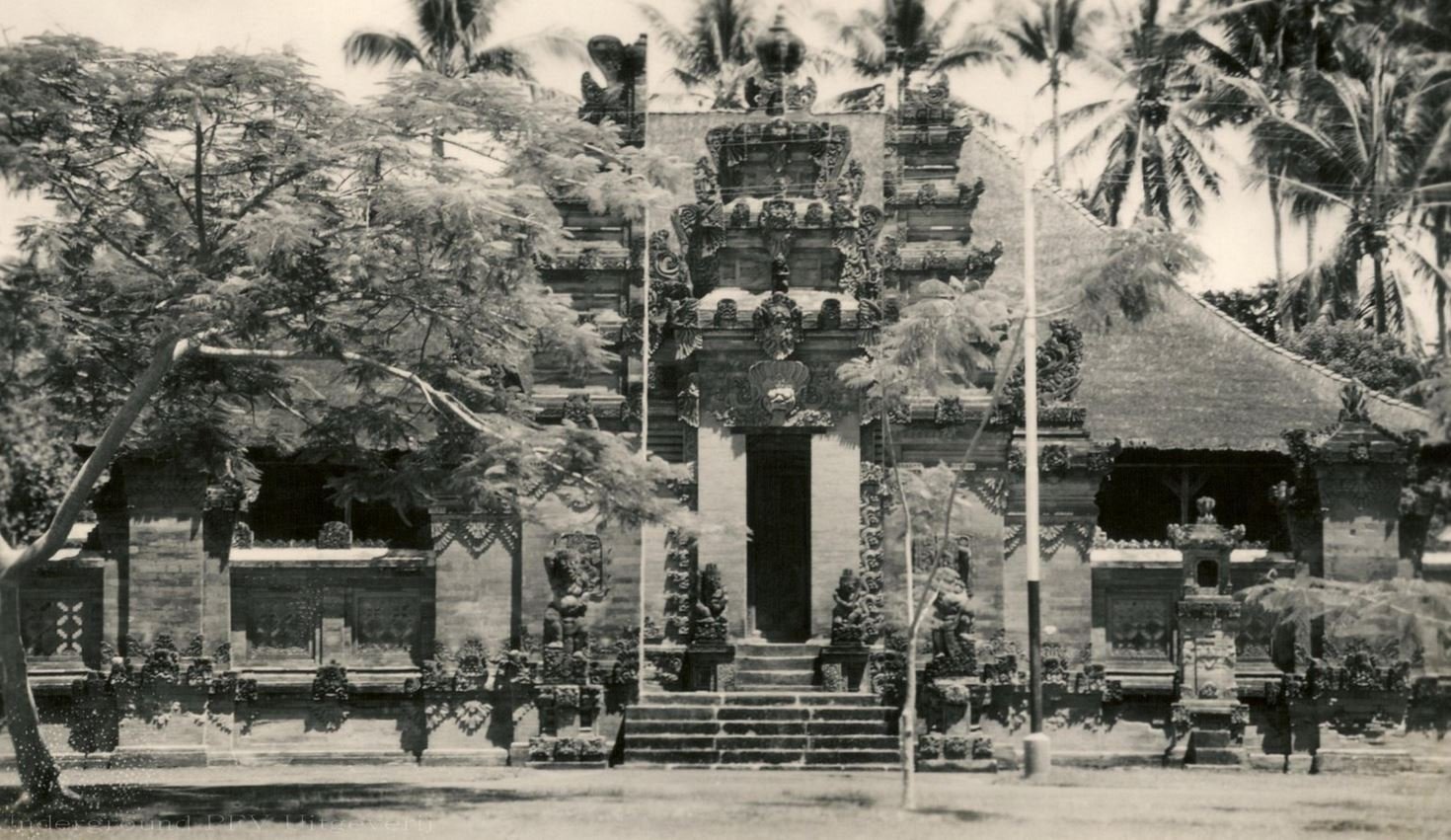
Bali is renowned worldwide for its stunning beaches, vibrant culture, and deeply spiritual way of life. Yet, beyond the beautiful temples and pristine landscapes lies a unique social and administrative system that holds the island together: the Banjar System. This traditional community organization has been the backbone of Balinese society for centuries and continues to shape daily life on the island today.
If you’re planning a visit to Bali, or simply curious about its cultural fabric, understanding the Banjar system is essential. This article will take you on a deep dive into what the Banjar is, how it functions, its significance, and why it’s still so relevant in modern Bali. Let’s explore this fascinating aspect of Balinese life step by step.
What is the Banjar System? 🏘️
The Banjar system is a traditional village community organization in Bali. Think of it as a neighborhood council or local community association, but with a far richer cultural and social context. Every village in Bali is divided into smaller community units called “banjars.” These are groups of families living in close proximity who come together to manage communal affairs, organize social and religious activities, and maintain harmony.
Origins of the Banjar
The word “banjar” literally means “group” or “assembly” in Balinese. The system dates back hundreds of years, predating even the formation of formal government structures on the island. Rooted in Bali’s Hindu cultural heritage, the Banjar system was originally established to facilitate cooperation and mutual support among villagers, especially in religious ceremonies and agricultural activities.
The Banjar is not just a social club — it’s a fundamental pillar of governance and community life that reflects the Balinese philosophy of Tri Hita Karana, which means “three causes of well-being.” These are harmony with God, harmony among people, and harmony with nature.
How the Banjar System Works 🛠️
Structure and Membership
Each Banjar is made up of local residents who voluntarily participate. The membership usually consists of families who live within the Banjar’s geographical boundaries, which can range from just a few houses to several dozen.
At the head of the Banjar is a Banjar Chief (Kelian Banjar), who is elected by community members and serves as the leader and representative. The Kelian Banjar organizes meetings, coordinates activities, and liaises with government officials.
Supporting the chief is a council or committee, often called the Prajuru Banjar, responsible for various tasks like managing finances, organizing rituals, and resolving disputes.
Daily Functions
The Banjar’s duties go far beyond simple neighborhood watch. They include:
- Religious Ceremonies: Organizing temple festivals, prayer sessions, cremation ceremonies, and other Hindu rituals.
- Social Gatherings: Facilitating weddings, funerals, and communal feasts.
- Community Service: Coordinating gotong royong (mutual help) activities such as cleaning streets, repairing infrastructure, and environmental conservation.
- Conflict Resolution: Mediating disputes within the community to maintain social harmony.
- Welfare and Support: Assisting members in need, such as the elderly, sick, or those facing financial hardship.
The Banjar’s Role in Balinese Culture and Religion 🙏
Balinese Hinduism is inseparable from the Banjar system. The community is deeply involved in spiritual activities, which are collectively organized through the Banjar.
Religious Ceremonies and Temples
Most Banjar have a Pura Bale Banjar, a community temple where villagers come together for worship and ceremonies. Major life events — from birth to death — involve the Banjar, reinforcing bonds and shared values.
The Banjar also ensures the upkeep of temples and sacred sites, preserving Bali’s spiritual heritage. Collective participation in religious festivals fosters a strong sense of identity and belonging.
Tri Hita Karana: The Philosophy in Action
The Banjar embodies the Balinese worldview of Tri Hita Karana. By nurturing harmony with the divine through rituals, promoting social harmony via communal activities, and preserving the environment through mutual care, the Banjar creates a balanced and sustainable lifestyle.
Why the Banjar System Matters in Modern Bali 🌐
Despite globalization, tourism, and modern governance, the Banjar remains a vital institution.
Social Cohesion and Identity
Bali’s rapid development has brought new challenges like urbanization and cultural dilution. Yet, the Banjar acts as a cultural anchor, preserving traditions and fostering community spirit.
Through collective decision-making, the Banjar empowers locals and ensures that development aligns with local values.
Governance and Local Leadership
The Indonesian government recognizes the Banjar as a formal village organization. In fact, many public services and development projects are coordinated through Banjars, making them a bridge between government and villagers.
This system exemplifies decentralized governance, where local communities have a say in their welfare and surroundings.
Challenges Facing the Banjar System ⚠️
While resilient, the Banjar system faces pressures:
- Tourism Impact: The influx of tourists and non-Balinese residents sometimes strains traditional community dynamics.
- Youth Engagement: Younger generations may be less involved due to urban migration or modern lifestyles.
- Economic Disparities: Economic shifts can create tensions within communities.
- Administrative Complexities: Navigating between traditional customs and formal government regulations can be tricky.
Despite these issues, many Banjars innovate to remain relevant, incorporating new ideas while respecting tradition.
How Visitors Can Respect and Engage with the Banjar 🧳
If you travel to Bali, understanding and respecting the Banjar system enhances your experience.
- Respect Local Customs: Participate or observe ceremonies respectfully; always ask permission before taking photos.
- Support Local Businesses: Many Banjars run cooperatives or artisan groups.
- Volunteer: Some Banjar welcome tourists to join communal work days or cultural classes.
- Learn and Listen: Engage with locals to understand their stories and values.
Conclusion: The Banjar System — Bali’s Heartbeat 💓
The Banjar system is more than just a community organization — it’s the soul of Balinese life. Through its intricate blend of social, religious, and governance roles, it sustains the island’s unique identity and harmony.
Understanding the Banjar opens a window into Bali’s deep sense of community, spirituality, and resilience. Whether you’re a visitor or simply curious about Bali, the Banjar is a testament to the power of tradition adapting gracefully in a modern world.